
Le Creuset Enameled Cast Iron Dutch Oven
Is the legendary Le Creuset Dutch oven worth the exorbitant price? We analyze the undisputed king of braising.
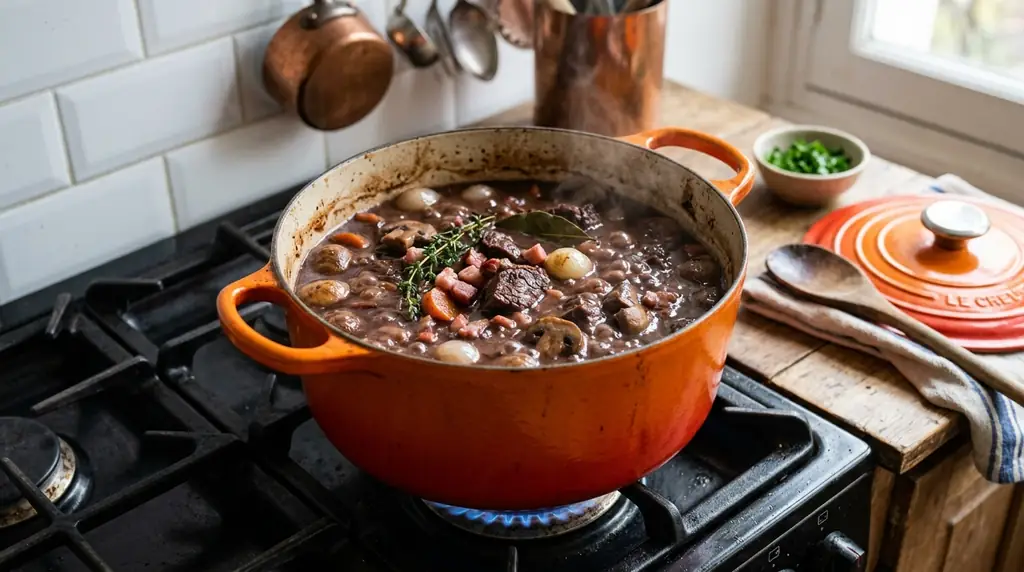
The Crown Jewel of the Kitchen
The Le Creuset Dutch oven is arguably the most recognizable piece of cookware on the planet. With its vibrant, glossy enamel exterior and heavy-duty cast iron core, it sits proudly on stovetops across the globe. But beyond its undeniable aesthetic appeal, is it actually worth the astronomical price tag?
The magic of the Le Creuset lies in its enamel coating. It takes the unmatched heat-retaining properties of cast iron and covers them in a layer of smooth, non-reactive glass. This means you can slow-cook highly acidic foods—like tomato sauces and wine-based braises—for hours without the metallic taste or rust issues of raw cast iron.
The Master of Braising
A Dutch oven's primary job is braising: browning meat, adding liquid, and cooking it low and slow until it falls apart. The Le Creuset excels at this because its heavy, tight-fitting lid traps moisture perfectly, creating a self-basting environment that turns tough cuts of beef into tender masterpieces.
- Pros: Gorgeous aesthetics, flawless enamel prevents sticking and reactions with acid, unmatched heat retention, lasts for generations.
- Cons: Phenomenally expensive, very heavy to move when full of food.
- Best For: Braising short ribs, baking sourdough bread, simmering stews, and acting as a beautiful kitchen centerpiece.
Furthermore, the light-colored sand enamel interior is a massive advantage. It allows you to clearly monitor the browning process of your butter, onions, or fond. In a dark cast-iron pan, it is very easy to accidentally burn your base because you simply cannot see it changing color.
Final Verdict
Yes, you can buy cheaper enameled Dutch ovens. But the Le Creuset offers a lifetime of guaranteed performance, unparalleled enamel durability, and a heritage of quality that makes it worth every penny to serious cooks.