
Storing Tomatoes: Why the Fridge Ruins Them
Tomatoes are a tropical fruit that despise the cold. Discover the biological reason why refrigeration permanently destroys their flavor and texture.
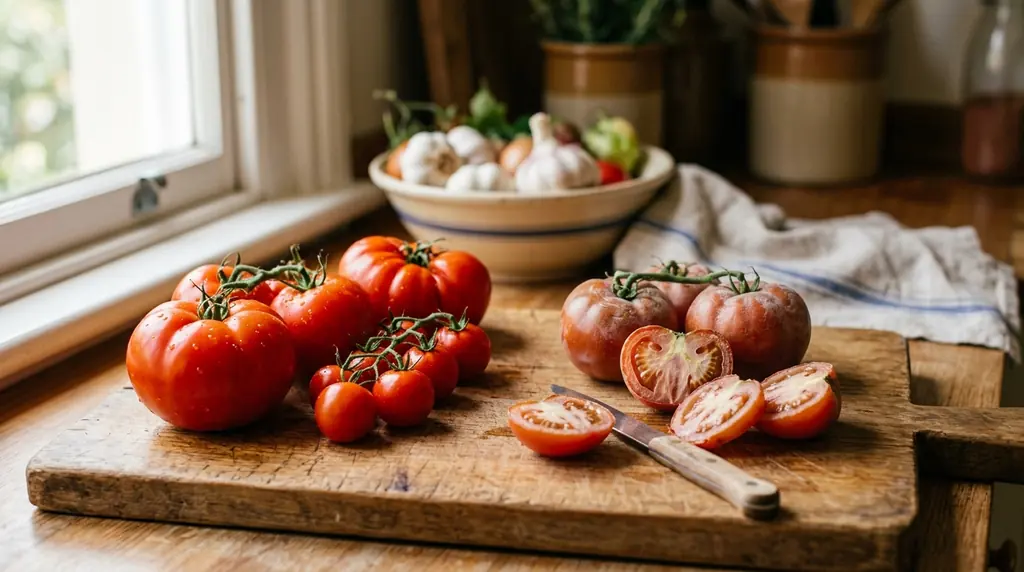
The Destruction of Flavor
You buy beautiful, vibrant, expensive heirloom tomatoes at the summer farmer's market. You bring them home and immediately place them in the crisper drawer of your refrigerator to keep them fresh. When you slice them for a Caprese salad two days later, they taste like watery cardboard and have the texture of wet sand.
This culinary tragedy occurs because the tomato is fundamentally a warm-weather, subtropical fruit. It possesses a highly sensitive biological defense mechanism against the cold.
The Science of the Chill
The flavor of a tomato is generated by hundreds of volatile compounds created by specific enzymes. When a tomato is exposed to temperatures below 50°F (10°C)—and a standard refrigerator is 38°F—those flavor-producing enzymes permanently shut down.
- The Loss of Scent: The cold halts the production of the volatile aromas. Since a massive percentage of what we perceive as "flavor" is actually smell, a cold tomato tastes incredibly bland.
- The Textural Collapse: The cold temperature damages the cell walls of the tomato fruit. The water inside the cells leaks out into the surrounding tissue, permanently altering the texture from crisp and juicy to mealy, grainy, and mushy.
- Irreversible Damage: Even if you take the tomato out of the fridge and let it sit on the counter, the damage is done. The enzymes are dead and the cell walls are ruptured. The flavor will never return.
How to Store Tomatoes Correctly
To respect the tomato, you must respect its origin.
- The Countertop: Whole, uncut tomatoes must always be stored at room temperature, completely out of direct sunlight (which will cause them to overheat and rot unevenly).
- Stem Side Down: To maximize shelf life on the counter, store the tomatoes upside down (resting on the little green scar where the stem was). This scar is the most vulnerable part of the fruit; covering it prevents moisture from escaping and prevents airborne mold from entering.
- The Ripe Window: Once a tomato is perfectly ripe, you have about 2 to 3 days to eat it. Do not hoard them.
- The Only Fridge Exception: The ONLY time a tomato should enter a refrigerator is if it has already been sliced open. Once the protective skin is broken, bacteria can grow rapidly. Sliced tomatoes must be refrigerated in an airtight container (and should be eaten within two days).
By keeping your tomatoes on the counter, you ensure they remain the sweet, juicy highlight of your summer meals.