breakfastsri lankan

Sri Lankan Pittu (Steamed Rice & Coconut Cylinders)

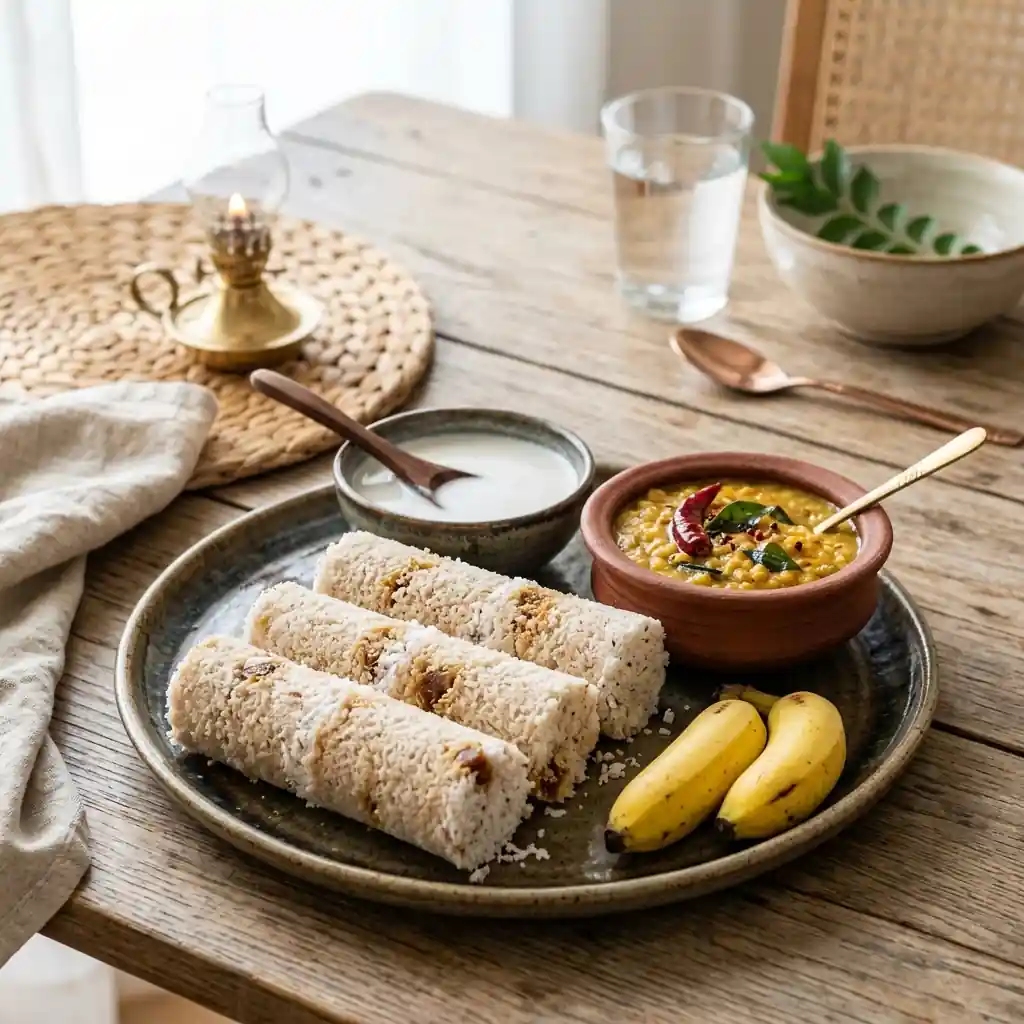
Cylindrical steamed dumplings made from layers of roasted rice flour and freshly grated coconut — a classic Sri Lankan breakfast served with coconut milk, banana, or curry.
By Kitchen Recipe Team
Sri Lankan Pittu (Steamed Rice & Coconut Cylinders)
Prep Time15 mins
Cook Time20 mins
Servings4
Difficultymedium

Why You'll Love This Sri Lankan Pittu (Steamed Rice & Coconut Cylinders)

This Sri Lankan Pittu (Steamed Rice & Coconut Cylinders) brings authentic sri lankan flavors straight to your kitchen. Perfect for a breakfast when you want something satisfying, flavorful, and easy to make. People love this recipe because it combines simple ingredients to create something truly magical.

Sri Lankan Pittu (Steamed Rice & Coconut Cylinders)

Prep: 15 mins•Cook: 20 mins•Total: 35 mins•Yields: 4 Servings

Ingredients

Servings:4
  • roasted rice flour
  • freshly grated coconut
  • salt
  • water
  • coconut milk
  • banana
  • dhal curry

Equipment Needed

  • Pittu maker (bamboo or steel cylinder mold)
  • Steamer pot
  • Mixing bowl

Instructions

1

Prepare the Flour

In a bowl, mix the roasted rice flour with salt. Sprinkle water little by little, rubbing the flour between your hands until it resembles coarse, moist breadcrumbs. It should hold its shape when pressed but crumble easily.

2

Layer in Mold

Fill the pittu mold by alternating layers: first a layer of grated coconut, then a layer of the moist rice flour. Repeat until the mold is full, ending with a coconut layer.

3

Steam

Attach the mold to the steamer pot (with boiling water). The steam from the pot will cook the pittu through the perforated base. Steam for 5-8 minutes.

4

Push Out & Serve

Using a thin stick or skewer, push the pittu cylinder out onto a plate. Serve immediately with warm coconut milk poured over, a banana, or a side of dhal or fish curry.

Nutrition Information

260
Calories
5g
Protein
48g
Carbs
8g
Fat
3g
Fiber

*Per serving. Nutritional values are estimates.

Expert Tips

  • • The moisture level of the flour is critical. If it is too wet, pittu becomes dense; if too dry, it crumbles and falls apart. Aim for a texture like wet sand.
  • • Fresh grated coconut is essential for the authentic flavor and texture.
  • • You can use a mix of rice flour and wheat flour (50/50) for a softer texture.

Variations

  • • Kurakkan Pittu: Use finger millet (kurakkan) flour instead of rice flour for a dark, nutritious, and earthy version.
  • • Wheat Pittu: Use whole wheat flour for a heartier texture.

Chef's Notes & Storage

•

Pittu must be eaten fresh as it hardens and becomes dry very quickly once it cools.

•

The traditional eating style is to crumble the pittu by hand and mix it with coconut milk and banana on your plate.

Frequently Asked Questions

Q: I don't have a pittu maker. Can I improvise?

A: Yes! You can use a tin can with holes punched in the bottom placed over a pot of boiling water, and use a lid or foil on top.

Q: What flour is best for pittu?

A: Roasted rice flour (idiyappam flour) specifically sold for pittu and string hoppers gives the most authentic result.

Kitchen Recipe Team

The Kitchen Recipe team shares delicious recipes, cooking guides, and food inspiration from around the world to help you create amazing meals at home.

Kitchen Recipe
Cook · Share · Enjoy

Kitchen Recipe Collection

Sri Lankan Pittu (Steamed Rice & Coconut Cylinders)

Cylindrical steamed dumplings made from layers of roasted rice flour and freshly grated coconut — a classic Sri Lankan breakfast served with coconut milk, banana, or curry.

Sri Lankan Pittu (Steamed Rice & Coconut Cylinders)
Prep
15 min
Cook
20 min
Total
35 min
Servings
4
Difficulty
medium
Cuisine
sri lankan

Ingredients

Scaled for 4 servings

  • roasted rice flour
  • freshly grated coconut
  • salt
  • water
  • coconut milk
  • banana
  • dhal curry

Equipment

  • Pittu maker (bamboo or steel cylinder mold)
  • Steamer pot
  • Mixing bowl

Instructions

Cooking Tips

  • The moisture level of the flour is critical. If it is too wet, pittu becomes dense; if too dry, it crumbles and falls apart. Aim for a texture like wet sand.
  • Fresh grated coconut is essential for the authentic flavor and texture.
  • You can use a mix of rice flour and wheat flour (50/50) for a softer texture.

Variations

  • Kurakkan Pittu: Use finger millet (kurakkan) flour instead of rice flour for a dark, nutritious, and earthy version.
  • Wheat Pittu: Use whole wheat flour for a heartier texture.

Chef's Notes & Storage

  • Pittu must be eaten fresh as it hardens and becomes dry very quickly once it cools.
  • The traditional eating style is to crumble the pittu by hand and mix it with coconut milk and banana on your plate.

Nutrition Estimate

260 calories · 5g protein · 48g carbs · 8g fat · 3g fiber per serving
You May Also Like

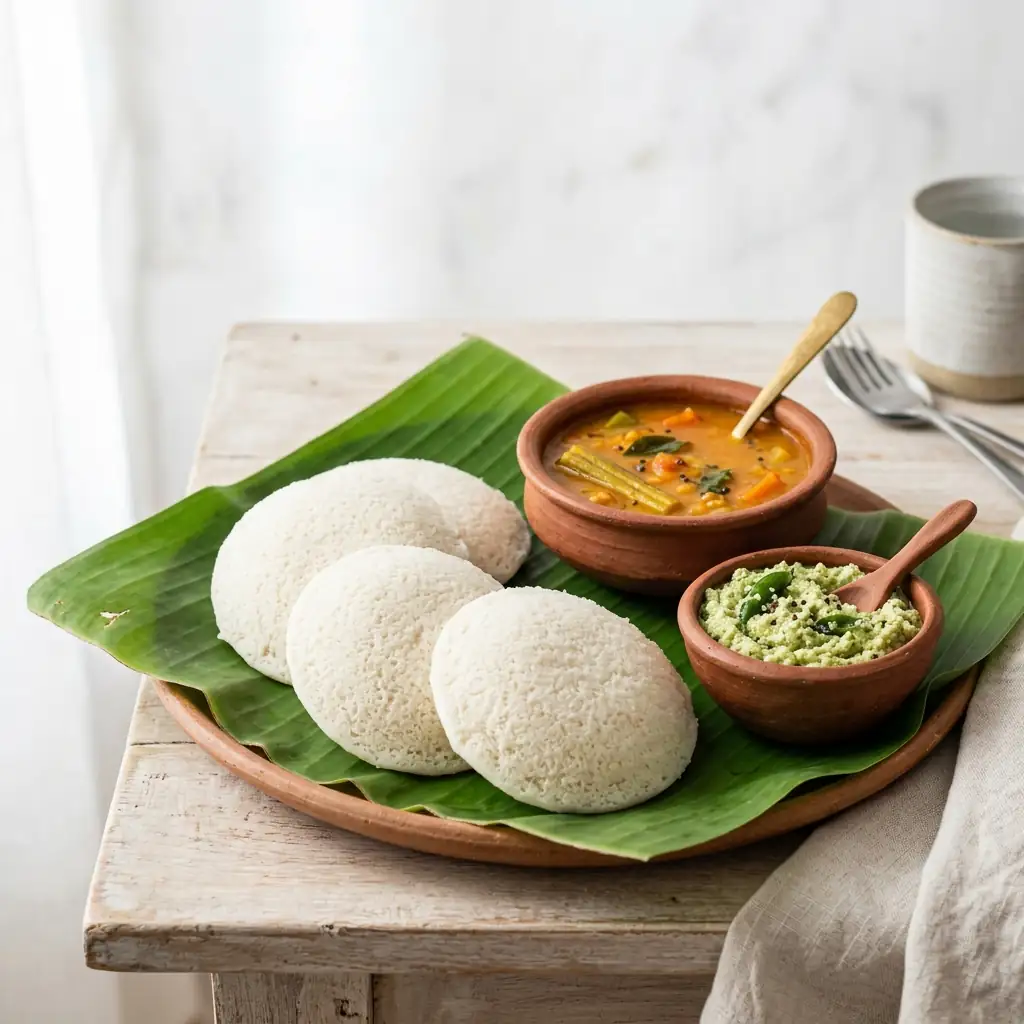
Soft Sri Lankan Idli
breakfast

Soft Sri Lankan Idli

Fluffy, cloud-like steamed rice cakes made from a fermented rice and lentil batter — an exceptionally light, healthy, and easily digestible Sri Lankan Tamil breakfast.

35m mediumsri lankan
View Full Recipe
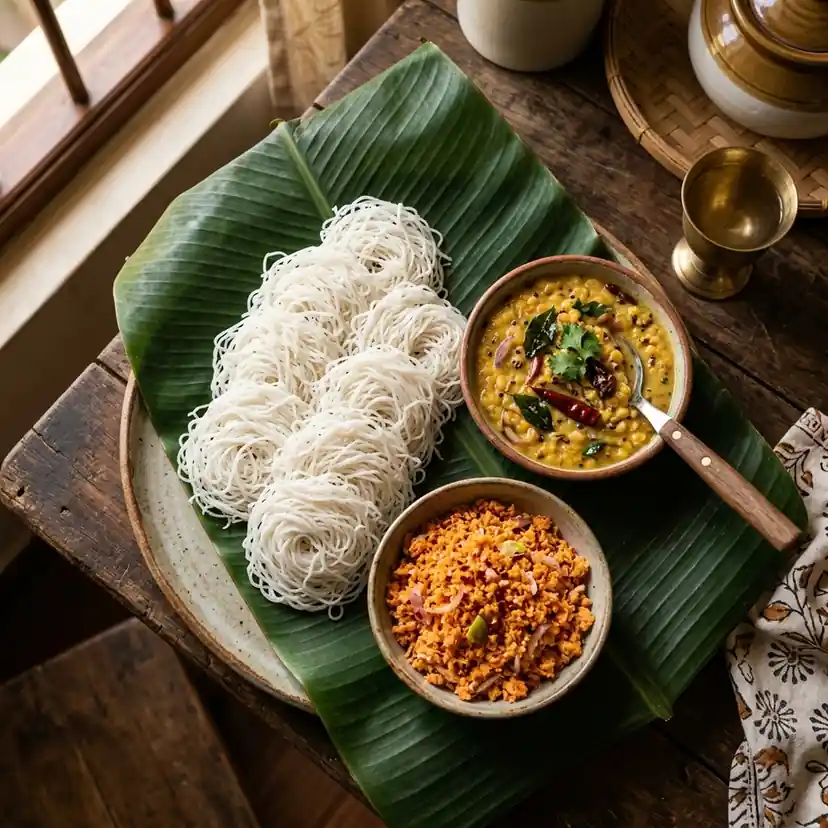
Authentic Sri Lankan String Hoppers (Idiyappam)
breakfast

Authentic Sri Lankan String Hoppers (Idiyappam)

Delicate, lacy steamed rice flour noodle discs, a beloved staple of Sri Lankan breakfasts served with coconut sambol and dhal curry.

35m mediumsri lankan
View Full Recipe
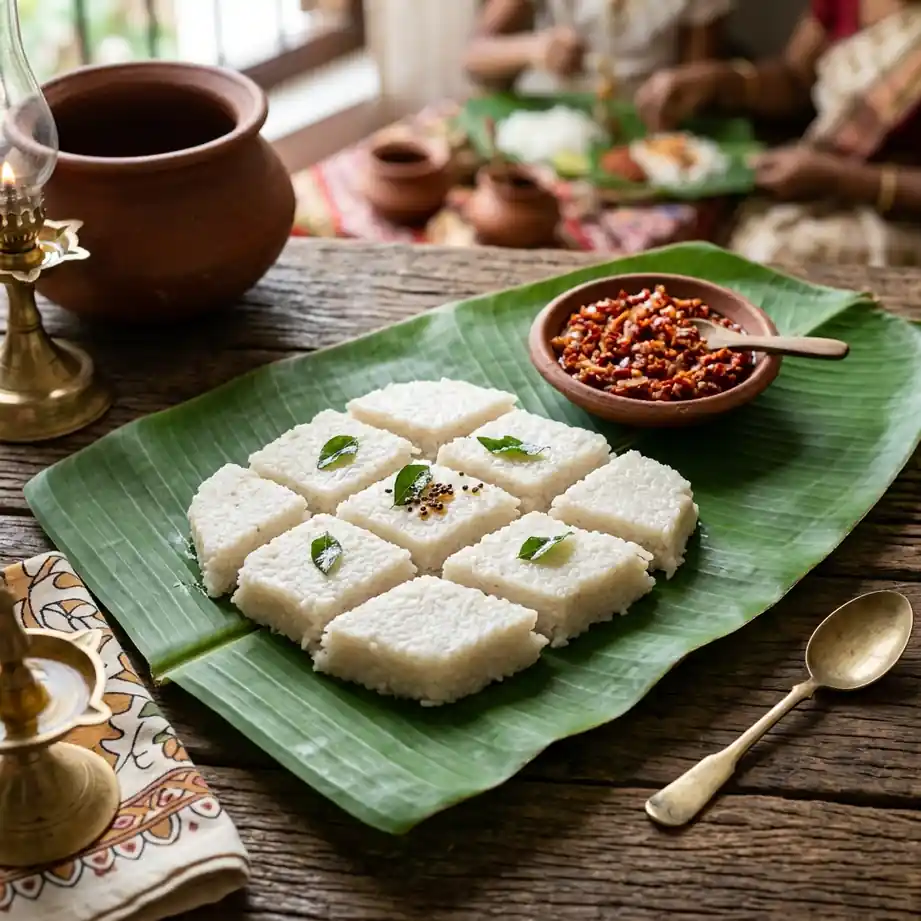
Kiribath (Sri Lankan Milk Rice)
breakfast

Kiribath (Sri Lankan Milk Rice)

Creamy, rich rice cooked in thick coconut milk until it sets firm, then cut into diamond shapes — a sacred Sri Lankan dish served on auspicious occasions and New Year celebrations.

40m easysri lankan
View Full Recipe